Wear Analysis and Component Selection of Friction Parts Under High-Dust Conditions
1. Operating Condition
Friction components (primarily bushings, bearings, and sliding pairs) in mine equipment operate under high-dust environments, accompanied by continuous vibration, variable dynamic loads, and intermittent lubrication supply. When dust particles (including ore dust, coal dust, and soil particles) are present in high concentrations, they easily infiltrate the clearance between friction interfaces. Under continuous vibration, dust particles are further compacted into the friction pair, while variable dynamic loads increase the contact pressure between components, exacerbating the interaction between dust and friction surfaces. When lubrication is insufficient or contaminated, the protective effect of the lubricating film is lost, making friction components more vulnerable to wear.
2. Observed Wear Mechanism
Under high-dust conditions, the observed wear mechanism of friction components is dominated by abrasive wear, supplemented by adhesive wear and fatigue wear, with the following specific manifestations:
- Abrasive Wear: When dust particles enter the friction interface, hard and irregular particles act as abrasives during relative movement of the friction pair. Under contact pressure, these particles scratch the surface of friction components, resulting in material loss and the formation of irregular wear grooves. The severity of abrasive wear increases with the concentration of dust particles and the hardness of the particles.
- Adhesive Wear: When lubrication is insufficient or contaminated by dust, the lubricating film between friction surfaces is broken, leading to direct contact between metal surfaces. Under high contact pressure and frictional heat, local welding occurs between contact points, and material is transferred from one surface to the other during relative movement, forming adhesive wear marks and surface damage.
- Fatigue Wear: Under continuous vibration and cyclic loads, the surface of friction components subjected to repeated abrasive and adhesive wear generates microcracks. As the number of cycles increases, these microcracks expand, leading to material peeling and reducing the service life of the components. High-dust environments accelerate the initiation and expansion of microcracks by damaging the surface integrity of the components.
3. Engineering Analysis
From an engineering perspective, the root cause of accelerated wear of friction components under high-dust conditions is the destruction of the friction pair’s stability, which can be analyzed as follows:
- Interface Contamination Impact: Dust particles infiltrate the friction clearance, destroying the continuity and integrity of the lubricating film. This increases the friction coefficient between the friction pair, converting fluid friction into boundary friction or dry friction, which significantly increases wear rate. When dust particles are harder than the friction component material, the abrasive effect is further enhanced, leading to rapid surface damage.
- Material Property Degradation: Frictional heat generated during the wear process, combined with poor heat dissipation caused by dust accumulation on component surfaces, increases the temperature of friction components. When the operating temperature exceeds the material’s optimal working range, the hardness and toughness of the component surface decrease, reducing its wear resistance and making it more susceptible to scratching and peeling.
- Structural Stress Concentration: Under variable dynamic loads and continuous vibration, dust particles trapped in the friction clearance cause uneven contact between the friction pair, leading to local stress concentration. High local stress accelerates the generation of surface microcracks and material fatigue, further shortening the service life of the friction components.
4. Selection Considerations
To improve the wear resistance of friction components under high-dust conditions, component selection should focus on material performance, structural design, and adaptability to dusty environments, with the following key considerations:
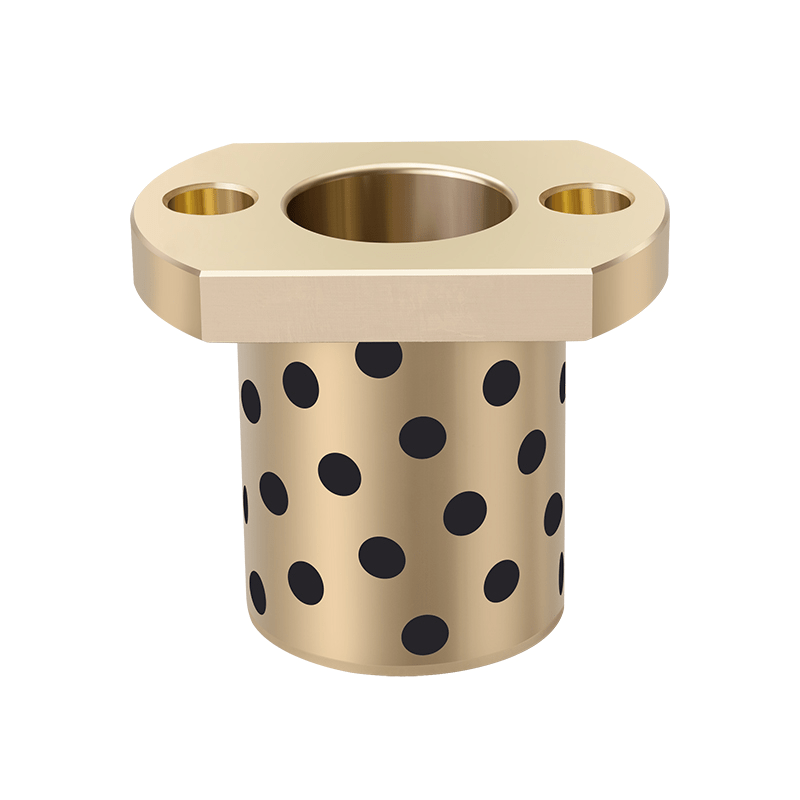
- Material Wear Resistance: Select materials with high hardness and wear resistance (e.g., copper-based alloys with embedded self-lubricating particles). When exposed to high-dust environments, the hard matrix can resist scratching by dust particles, while the embedded self-lubricating particles (such as graphite) can form a stable lubricating film, reducing reliance on external lubrication.
- Self-Lubricating Performance: Prioritize components with inherent self-lubricating capabilities. When lubrication is insufficient or contaminated by dust, the self-lubricating material can continuously supply lubricant to the friction surface, avoiding dry friction and reducing abrasive wear. The self-lubricating film should also have good dust resistance to prevent dust adhesion and film damage.
- Structural Sealing and Dust Resistance: Optimize the structural design of friction components to enhance dust resistance. Adopt a closed or semi-closed structure to reduce dust infiltration into the friction interface. When matching with seals, select high-performance dust-resistant seals (e.g., labyrinth seals) to further block dust entry.
- Load-Bearing and Vibration Resistance: Select components with high load-bearing capacity and fatigue resistance. Under continuous vibration and variable dynamic loads, the component structure should be able to withstand cyclic stress without generating excessive stress concentration, reducing the risk of fatigue wear and component failure.
5. Conclusion
Under high-dust conditions, friction components of mine equipment are mainly subjected to abrasive wear, supplemented by adhesive and fatigue wear, which is caused by interface contamination, material property degradation, and structural stress concentration. To address this problem, the selection of friction components must prioritize wear resistance, self-lubricating performance, dust resistance, and load-bearing capacity.
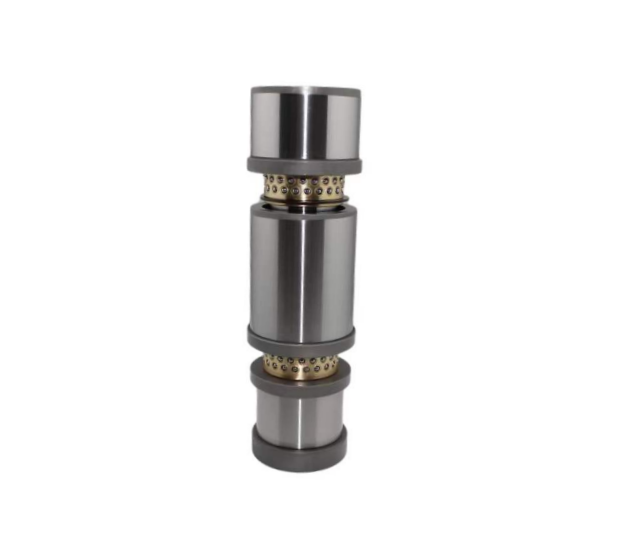
Components with a hard matrix and embedded self-lubricating particles (such as self-lubricating graphite copper bushings) are more suitable for high-dust environments, as they can resist dust-induced abrasive wear and maintain effective lubrication even when external lubrication is contaminated or insufficient. By selecting appropriate friction components and matching them with reasonable structural and sealing designs, the wear rate of friction components can be significantly reduced, ensuring the stable operation of equipment under high-dust conditions.