7 Scenarios Where Graphite Plugged Bronze Bushings Are the Wrong Choice
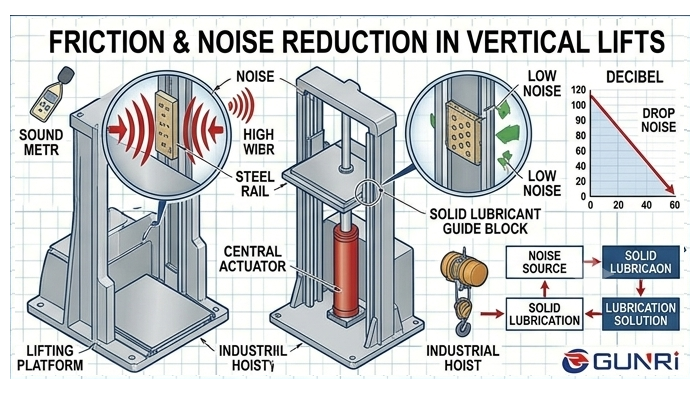
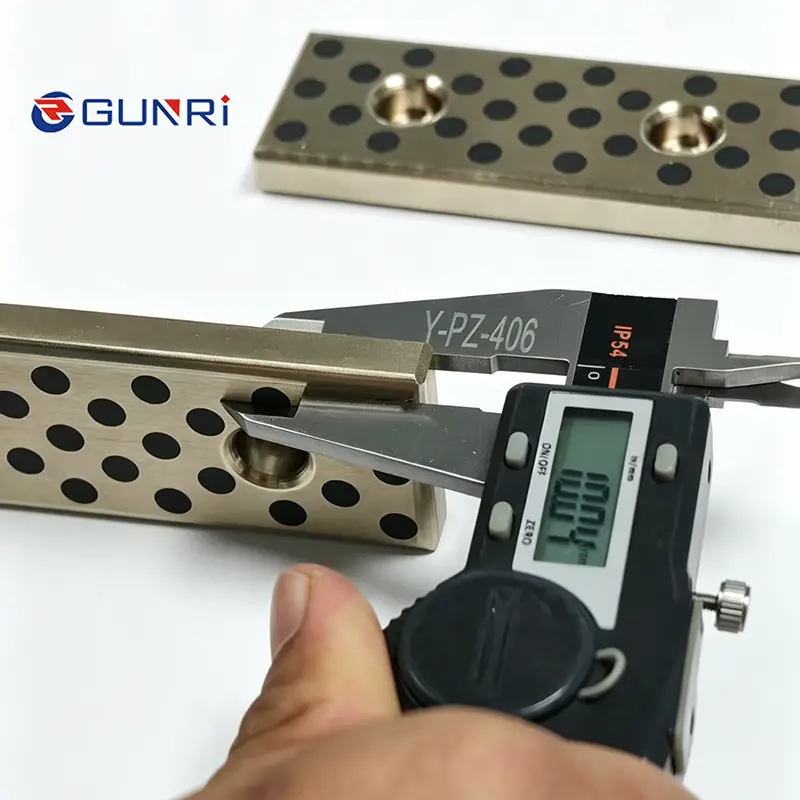
At a mold expo last year, I was standing by a booth watching a live demo when a senior tooling engineer next to me started pointing at a set of guide bushings on display. “We see these graphite-plugged bronze bushings in some of the injection molds we build,” he said. “I’m not a fan. The graphite dust migrates into everything — the cooling channels, the ejector pin gaps, sometimes even the cavity surface if you’re not careful.”
He went on to explain that his shop had stopped recommending them for most general-purpose molds. They had found that the dust contamination was hard to control, you could not use grease with them (the manufacturer explicitly advises against it), and when misalignment was even a few thousandths, the bushings would chatter and stutter during reciprocation. “It’s not that they’re bad parts,” he said. “They just get specified for jobs where a simpler solution would work better and cause fewer headaches.”
That conversation stuck with me. It is easy to assume a self-lubricating bushing is always the better choice. But in practice, graphite-plugged bronze bushings have real limitations. Here are seven scenarios where you should think twice before using them.
1. Cleanroom and Controlled Environments
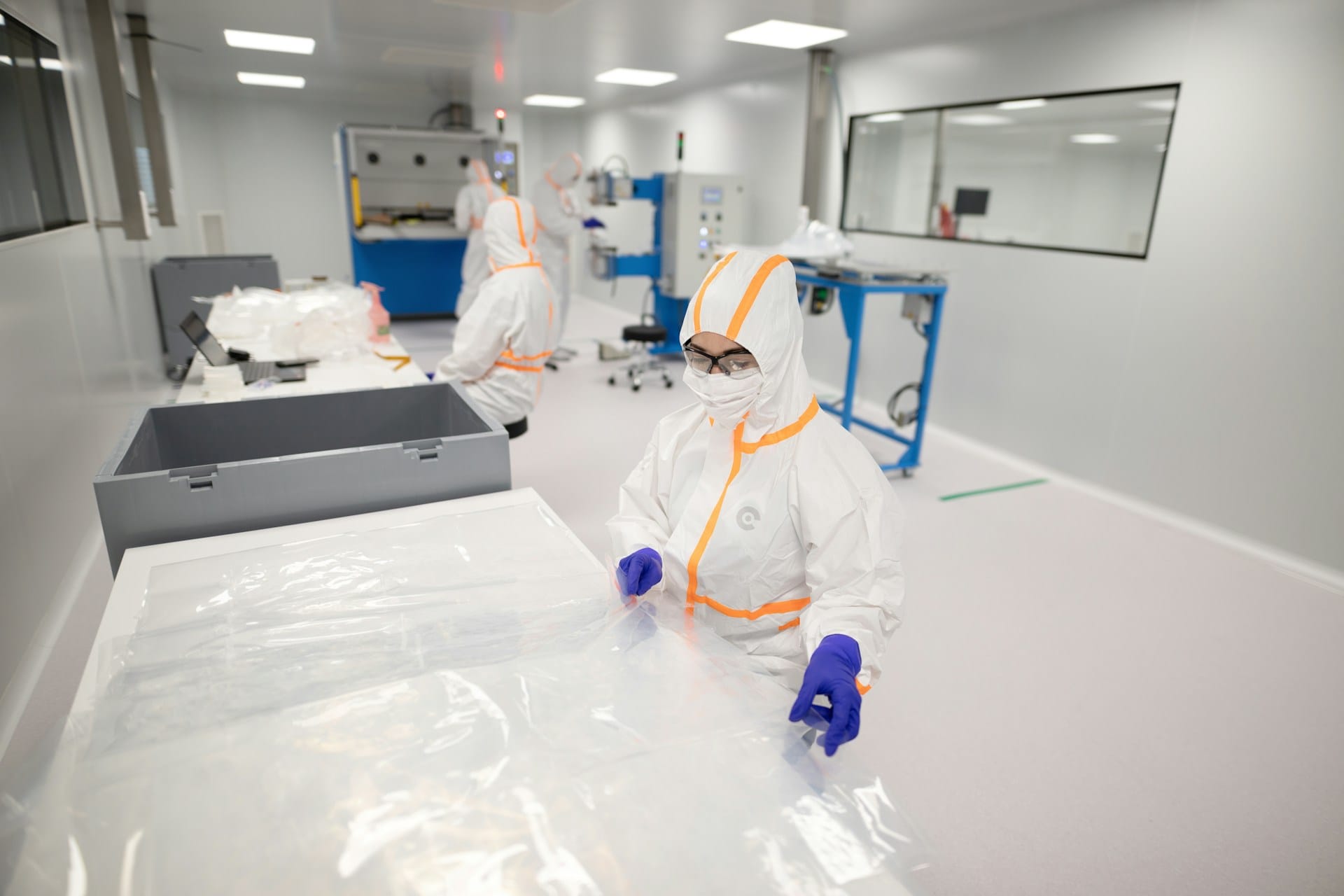
Semiconductor fabs, medical device molding, and optical component production all require strict particulate control. Graphite-plugged bushings shed fine carbon dust during normal operation. In a cleanroom, that dust becomes a contamination risk that is difficult to contain.
For these environments, solid lubricant-free alternatives such as standard bronze bushings with external grease fittings, or polymer-based bushings, are a safer choice. You trade a small amount of maintenance convenience for a much cleaner operating environment.
2. High-Speed Rotary Applications
Graphite-plugged bushings are designed for oscillating or short-stroke linear motion — what you would typically see in a leader pin bushing on an injection mold. They are not suited for continuous high-speed rotation. Above a few hundred RPM, the line-contact surface generates heat faster than the graphite can dissipate it. The lubricating film breaks down, wear accelerates, and the bushing can seize.
Spindle bearings, conveyor rollers, and similar high-speed rotary applications are better served by rolling-element bearings or oil-lubricated plain bearings.
3. Applications That Require Grease Lubrication
This is the one the tooling engineer at the expo emphasized most. Graphite-plugged bronze bushings rely on dry graphite particles for lubrication. Adding grease interferes with the graphite transfer film and can actually reduce lubricity. Most manufacturers explicitly warn against using grease with these bushings.
If your maintenance team already uses grease on all guide components — or if the application involves a grease-lubricated system where cross-contamination is unavoidable — you should pick a bushing designed for grease rather than fighting the material.
4. Submerged or High-Humidity Environments
Graphite relies on a small amount of adsorbed moisture to achieve its low friction coefficient. But when the operating environment is submerged in water or has sustained high humidity, the graphite can wash out of the plugged holes. The bronze matrix remains, but the self-lubricating property is effectively gone.
For wash-down applications, marine equipment, or any environment with direct water exposure, choose a fully sealed bearing or a corrosion-resistant bushing material instead.
5. Vacuum Chambers
Graphite outgasses under vacuum. In a vacuum chamber — common in semiconductor deposition equipment, electron beam welders, and scientific instruments — the carbon particles released by a graphite-plugged bushing can contaminate the chamber and compromise the process.
Vacuum-rated bearings and bushings are available with specialized solid lubricants or fully sealed designs that do not outgas. These are the correct choice despite their higher cost.
6. Food Processing and Packaging
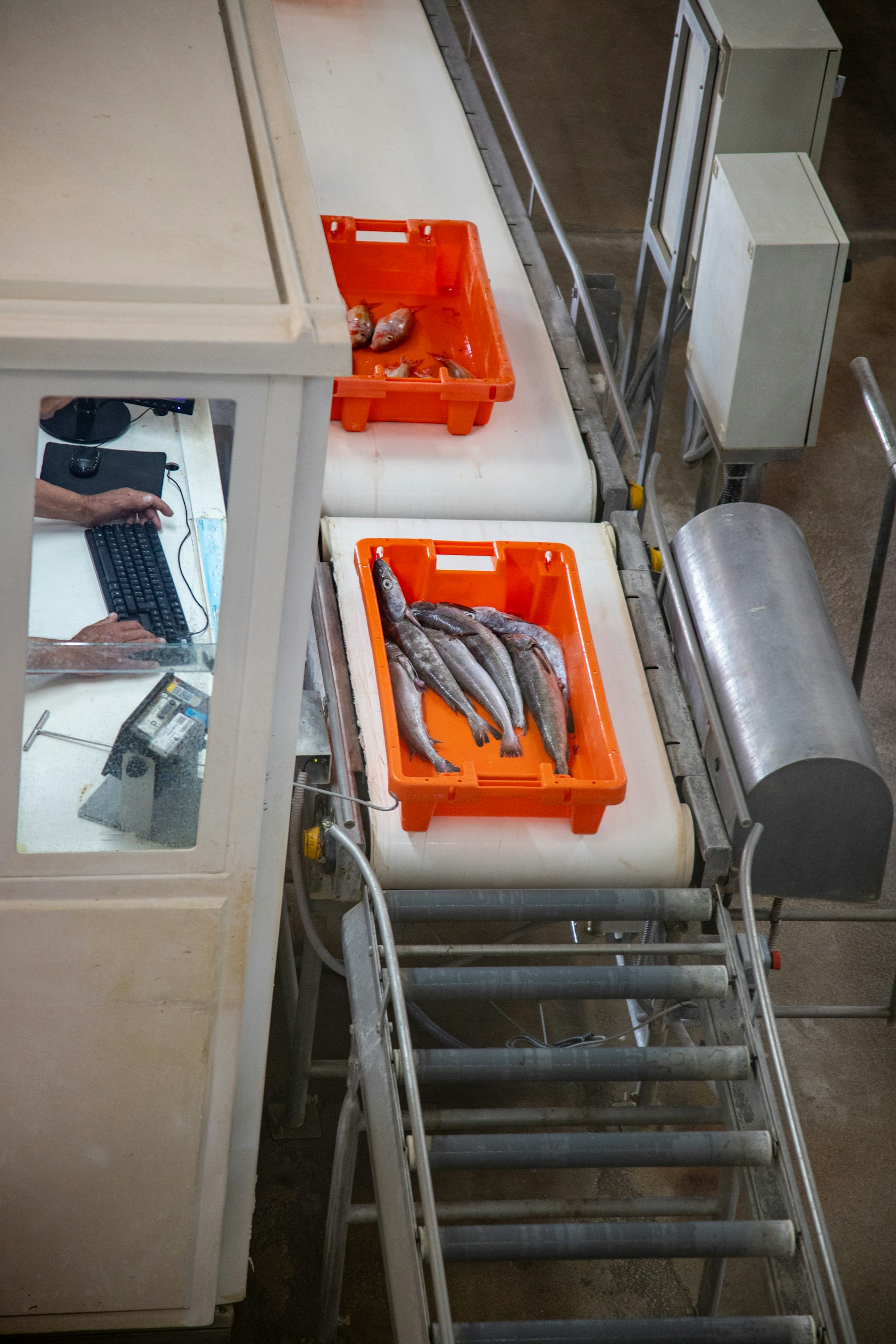
Graphite dust is not food-safe. In food processing lines, packaging machinery, or any application where incidental contact with consumables is possible, graphite-plugged bushings introduce a contamination risk that regulators and quality auditors will flag.
FDA-compliant polymer bushings or stainless steel bearings with food-grade grease are the standard alternatives for this sector.
7. Precision Guided Applications With Fine Clearances
The engineer I spoke with mentioned chattering as a recurring issue. Graphite-plugged bronze bushings have a higher coefficient of friction at startup compared to grease-lubricated alternatives. When combined with even slight misalignment — as little as 0.002″ of buildup on a guide rod — the bushing can stutter during reciprocation, leading to uneven wear and reduced positioning accuracy.
For precision-guided tooling where clearance is measured in single-digit microns, a grease-lubricated ball bushing or a linear guide system will deliver smoother motion and more consistent positioning over the life of the tool.
Choosing the Right Bushing for the Job
Graphite-plugged bronze bushings serve a real purpose. They work well in moderate-load, moderate-speed oscillating applications where maintenance access is limited and some dust is acceptable. But they are not a universal upgrade over conventional bushings.
When specifying guide components, match the material to the operating environment — not the other way around. A basic bronze bushing with regular grease maintenance will outperform a graphite-plugged bushing in the wrong application every time.
Need help selecting the right bushing material for your mold or fixture? Contact our team for application-specific recommendations.