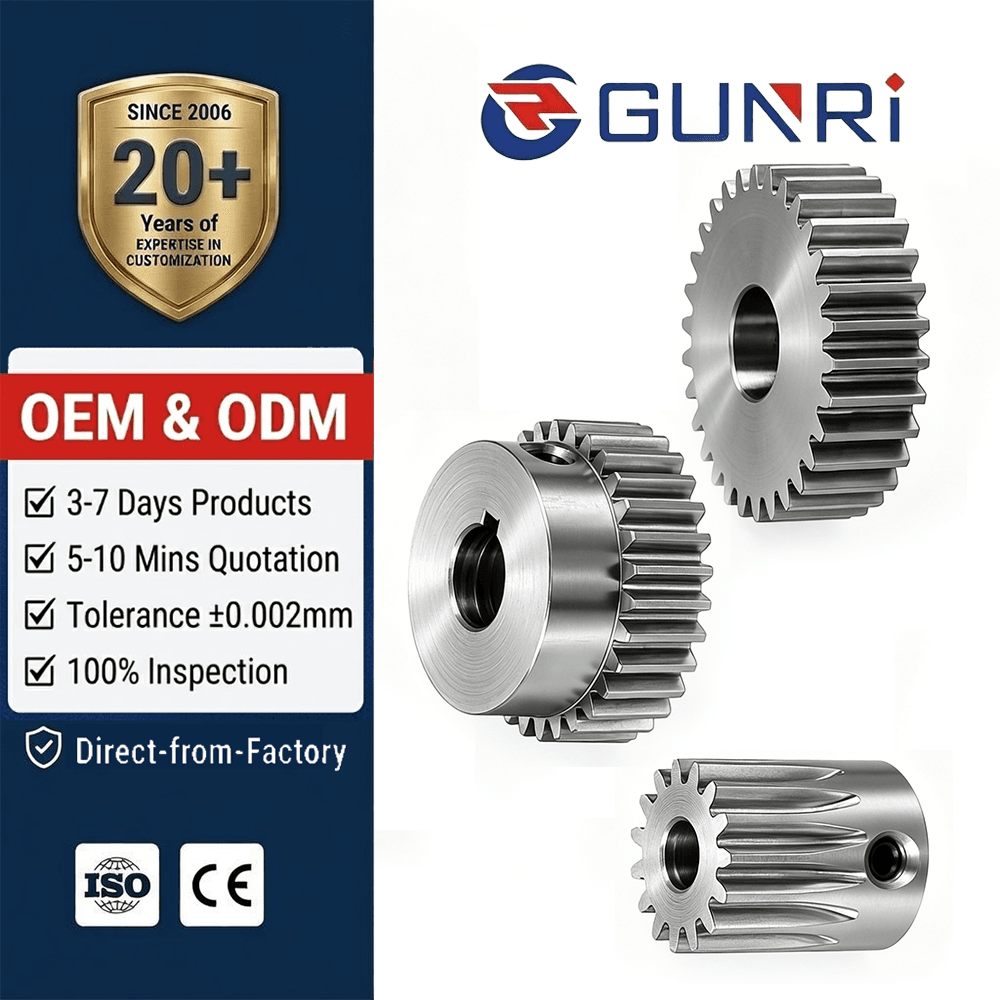
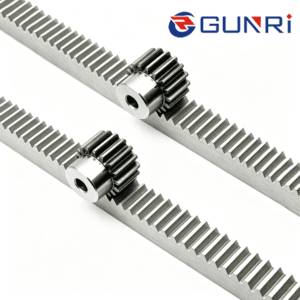
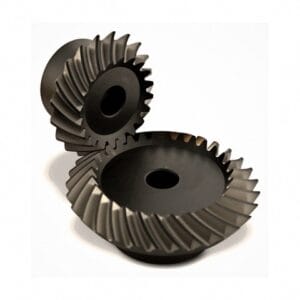
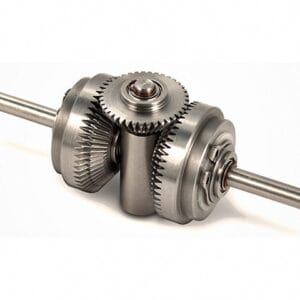
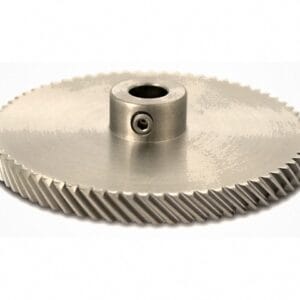
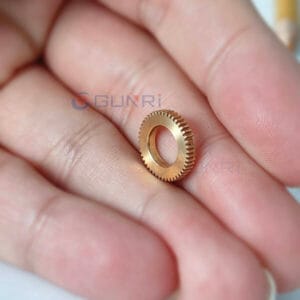
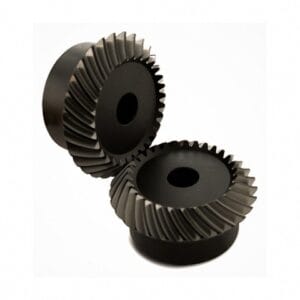
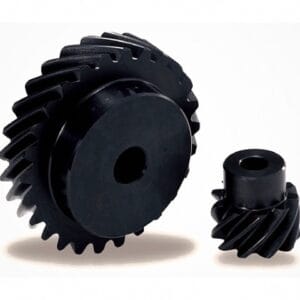
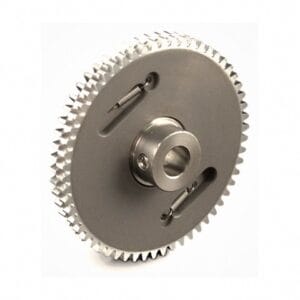
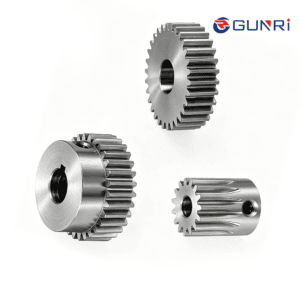
GUNRI manufactures a wide range of precision gears for industrial automation, stamping dies, injection molds, and mechanical transmission systems. Our standard product line includes spur gears (20° and 14.5° pressure angles), gear racks, pinion shafts, and custom-machined gear components — all produced on advanced CNC hobbing and gear cutting equipment.
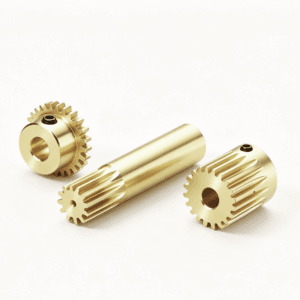
Available in modules 0.5 to 3, in 1045 carbon steel, 304 stainless steel, brass, and engineering plastics, with your choice of surface treatment and bore configuration. Whether you need a single replacement gear or production quantities, we custom-make to match your specifications — including MISUMI and other common automation gear series.
Get A Free Quote Now
Category Image

Product Category Keywords Series

Gears

Browse precision spur gears and gear components for industrial automation, stamping dies, injection molds, and mechanical transmission systems. Available in carbon steel and stainless steel, standard modules from 0.5 to 3, 20° pressure angle.

GUNRI manufactures a wide range of precision gears for industrial automation, stamping dies, injection molds, and mechanical transmission systems. Our standard product line includes spur gears (20° and 14.5° pressure angles), gear racks, pinion shafts, and custom-machined gear components — all produced on advanced CNC hobbing and gear cutting equipment.
Available in modules 0.5 to 3, in 1045 carbon steel, 304 stainless steel, brass, and engineering plastics, with your choice of surface treatment and bore configuration. Whether you need a single replacement gear or production quantities, we custom-make to match your specifications — including MISUMI and other common automation gear series.

Why Choose GUNRI Gears

  • Full Product Range — Spur gears (20° & 14.5°), gear racks, pinion shafts, and custom gear components. One source for all your gear needs.
  • Standard 20° Pressure Angle — Compatible with the vast majority of modern gear systems. 14.5° also available for legacy equipment replacement.
  • Multiple Configurations — Straight bore, bore+tap, keyway, and keyway+tap. Covers virtually all mounting scenarios.
  • 4 Material Options — 1045 carbon steel, 304 stainless steel, brass, and engineering plastics (POM/MC nylon). Choose the right material for your application.
  • Modules 0.5 to 3 — From fine-pitch precision instruments to heavy-duty power transmission, we cover the most commonly specified module range.
  • Custom Sizes Available — Non-standard bore diameters, special keyway dimensions, or custom hub lengths. Send us your drawing and we will machine to your exact specification.

Need Gears for Your Application?

Spur gears, racks, pinion shafts — in steel, stainless, brass, or plastic. Custom-made to your specs. Contact us with your requirements.
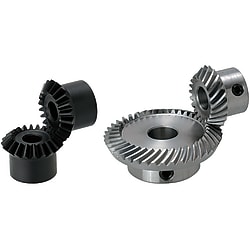
Common Applications for Spur Gears

  • Industrial Automation — Conveyor drives, indexing tables, pick-and-place units, packaging machinery
  • Machine Tools — Feed drives, spindle speed reduction, tool changers
  • Stamping Dies — Cam drivers, stock feeders, incremental indexing mechanisms
  • Injection Molds — Core pull timing, unscrewing mechanisms, rotating mold sections
  • Material Handling — Elevator drives, transfer systems, palletisers
  • Printing & Packaging — Web tension control, registration adjustment, roller drives

Frequently Asked Questions

What is gear module and how do I calculate it?

Module (m) is the ratio of pitch diameter to number of teeth: m = D ÷ N. For example, a gear with 20 mm pitch diameter and 20 teeth has module 1. To identify an unknown gear, measure the outside diameter (OD) and count teeth (N). Approximate module = OD ÷ (N + 2). Round to the nearest standard value.

Can I use a module 1 gear with a module 1.5 gear?

No. Gears with different modules have different tooth sizes and pitches. They cannot mesh correctly. The module must be identical for both gears in a pair.

What is the difference between 20° and 14.5° pressure angle?

20° pressure angle is the modern standard. It offers stronger tooth roots, higher load capacity, and better resistance to tooth breakage. 14.5° is an older standard found in legacy equipment. Gears with different pressure angles cannot be interchanged even if module and tooth count match.

What materials are your spur gears available in?

Our standard spur gears are available in 1045 carbon steel (with or without black oxide treatment) and 304 stainless steel. We also accept custom orders in other materials such as brass, 316 stainless, or engineering plastics.

Do you offer custom bore sizes or keyways?

Yes. All our spur gears can be ordered with custom bore diameters, keyway dimensions, or hub modifications. Simply provide your specifications, and we will machine to your requirements.

Why Choose GUNRI Gears

  • Full Product Range — Spur gears (20° & 14.5°), gear racks, pinion shafts, and custom gear components. One source for all your gear needs.
  • Standard 20° Pressure Angle — Compatible with the vast majority of modern gear systems. 14.5° also available for legacy equipment replacement.
  • Multiple Configurations — Straight bore, bore+tap, keyway, and keyway+tap. Covers virtually all mounting scenarios.
  • 4 Material Options — 1045 carbon steel, 304 stainless steel, brass, and engineering plastics (POM/MC nylon). Choose the right material for your application.
  • Modules 0.5 to 3 — From fine-pitch precision instruments to heavy-duty power transmission, we cover the most commonly specified module range.
  • Custom Sizes Available — Non-standard bore diameters, special keyway dimensions, or custom hub lengths. Send us your drawing and we will machine to your exact specification.

Need Gears for Your Application?

Spur gears, racks, pinion shafts — in steel, stainless, brass, or plastic. Custom-made to your specs. Contact us with your requirements.

Get A Free Quote Now

Industry Applications

Common Applications for Spur Gears

  • Industrial Automation — Conveyor drives, indexing tables, pick-and-place units, packaging machinery
  • Machine Tools — Feed drives, spindle speed reduction, tool changers
  • Stamping Dies — Cam drivers, stock feeders, incremental indexing mechanisms
  • Injection Molds — Core pull timing, unscrewing mechanisms, rotating mold sections
  • Material Handling — Elevator drives, transfer systems, palletisers
  • Printing & Packaging — Web tension control, registration adjustment, roller drives

Technical FAQ

Frequently Asked Questions

What is gear module and how do I calculate it?

Module (m) is the ratio of pitch diameter to number of teeth: m = D ÷ N. For example, a gear with 20 mm pitch diameter and 20 teeth has module 1. To identify an unknown gear, measure the outside diameter (OD) and count teeth (N). Approximate module = OD ÷ (N + 2). Round to the nearest standard value.

Can I use a module 1 gear with a module 1.5 gear?

No. Gears with different modules have different tooth sizes and pitches. They cannot mesh correctly. The module must be identical for both gears in a pair.

What is the difference between 20° and 14.5° pressure angle?

20° pressure angle is the modern standard. It offers stronger tooth roots, higher load capacity, and better resistance to tooth breakage. 14.5° is an older standard found in legacy equipment. Gears with different pressure angles cannot be interchanged even if module and tooth count match.

What materials are your spur gears available in?

Our standard spur gears are available in 1045 carbon steel (with or without black oxide treatment) and 304 stainless steel. We also accept custom orders in other materials such as brass, 316 stainless, or engineering plastics.

Do you offer custom bore sizes or keyways?

Yes. All our spur gears can be ordered with custom bore diameters, keyway dimensions, or hub modifications. Simply provide your specifications, and we will machine to your requirements.