Graphite Copper Bushings for Construction Machinery: Do They Really Handle the Abuse?
Every Maintenance Guy Knows This Pain
Ask any heavy equipment mechanic — excavators, loaders, you name it — pin bushings are a never-ending headache. Bucket ears, linkage pins, breaker hammer pivots. These spots see insane impact loads. Traditional babbitt and bronze bushings crack, peel, and fail before you know it. Swap a set and you’re down half a shift. Parts cost adds up, and the downtime kills you.
More and more techs with ten, fifteen years under their belt are switching to graphite copper bushings. Every single one says the same thing: they take a beating and keep going. But what’s actually going on inside? Why do these things hold up better than solid metal? Let’s break it down.
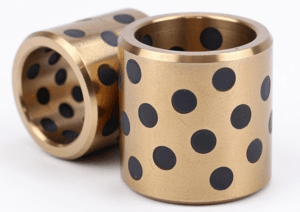
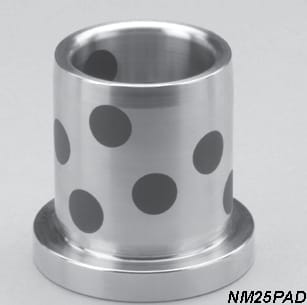
How Graphite Copper Takes the Hit
The material itself is the answer. Graphite has a layered structure — think stacks of thin sheets piled on top of each other, with weak bonds between layers. When a shock load hits, those layers micro-slide past each other. It’s a built-in shock absorber that bleeds off impact energy instead of concentrating stress the way metal does and just cracking.
Add copper into the mix and things get better. The copper phase deforms plastically under load, working with the graphite to absorb energy. Two materials, two jobs: copper carries the structural load, graphite soaks up impact and handles lubrication. That’s the real reason graphite copper bushings survive repeated hammering. It’s not about being harder. It’s about deflecting.
Copper content typically runs between ten and twenty-five percent. More copper equals more strength but less self-lubrication. Less copper flips that around. You balance it based on what the machine actually sees.
Two Ways to Make Them — Pick the Right One
There are two mainstream production methods, and knowing the difference saves you from wasting money.
The Impregnation Method
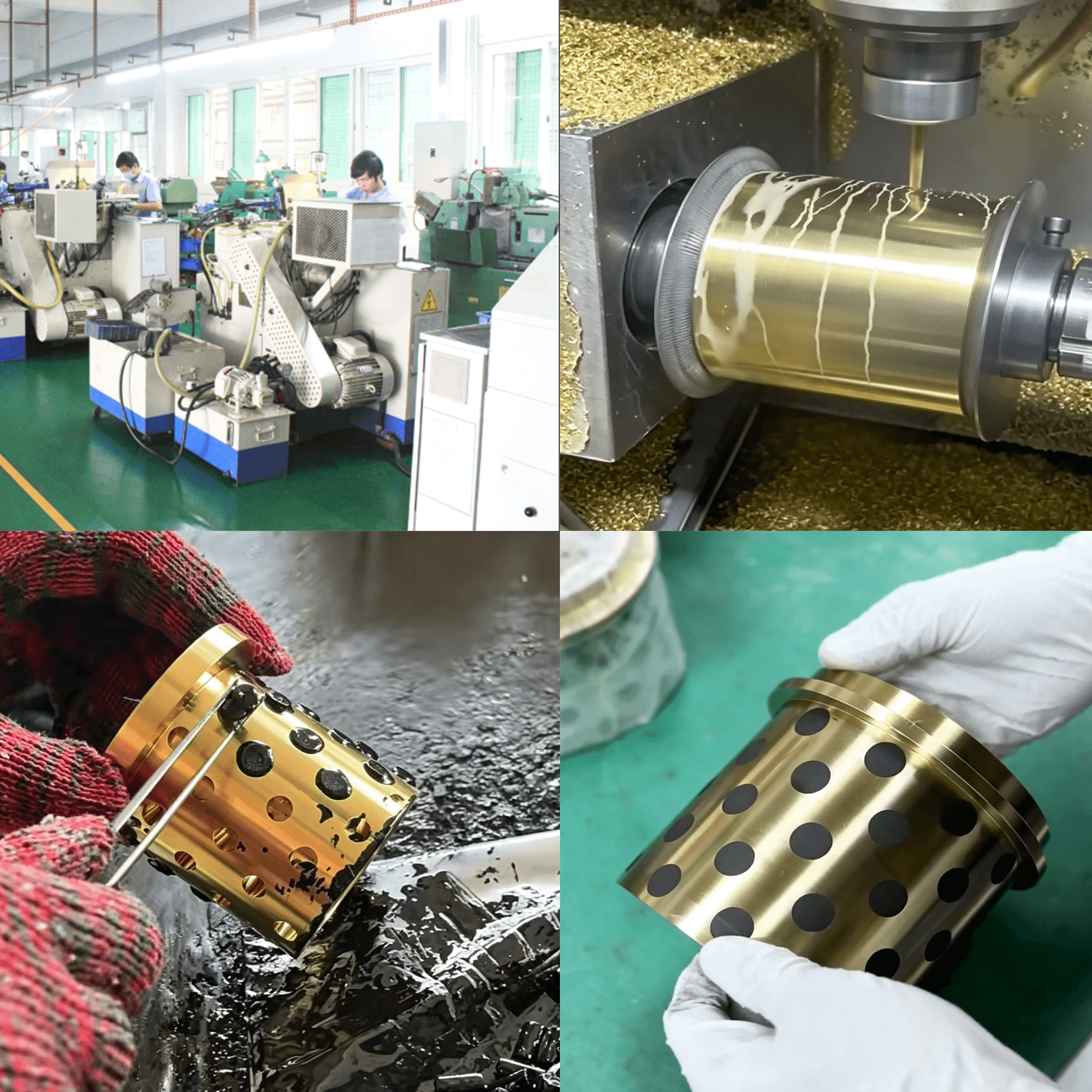
Sinter a porous graphite preform first, then put it in a vacuum furnace to soak copper in. The copper infiltrates the pores evenly. Moderate cost, decent performance. Works fine for most general-purpose jobs.
The Molded Sintering Method
Blend graphite powder and copper powder at a set ratio. Press the mix at high pressure into a mold, then sinter everything together. The bond between copper and graphite is stronger. Impact resistance jumps noticeably. But the process is more involved and the price goes up.
Which one do you pick? Look at your working conditions. Excavator bucket ears, breaker pin bushings — heavy impact zones — go molded sintering. Spend a bit more and sleep better. Swing bearings, track tensioners, medium-impact spots — the impregnation type handles it fine. No need to over-spec.
Real-World Selection — Don’t Trip on These
These are hard lessons from mechanics who’ve been there.
Copper Content
Don’t assume higher numbers are better. Ten to twenty-five percent is the range. Too low and the bushing gets brittle and cracks. Too high and self-lubrication drops off plus you pay more. For moderate impact, fifteen to eighteen percent is a safe bet.
Fit Clearance
That gap between the bushing ID and the shaft matters more than you think. Too tight and it binds or seizes up. Too loose and it wobbles, accelerating wear. Rule of thumb from the field: leave 0.3% to 0.5% of the shaft diameter as clearance.
Graphite Particle Size
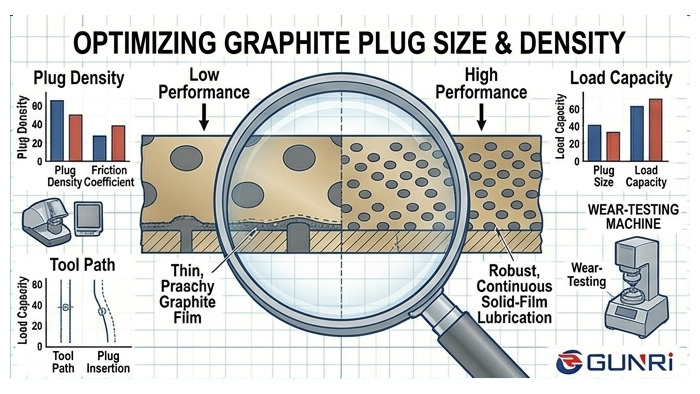
This one gets overlooked. Finer particles give a smoother surface and better wear resistance, but impact toughness takes a slight hit. Coarse particles do the opposite. Match it to whichever failure mode you’re dealing with — don’t just default to what’s on the shelf.
Where It Doesn’t Work
Graphite copper has limits. High-speed rotation — spindle bearings, anything north of several hundred RPM — not its game. Strong acid or alkaline environments aren’t great either; graphite doesn’t love chemical attack. High-precision continuous rotation where you need tight running accuracy over hours? Stick with rolling element bearings.
Bottom Line
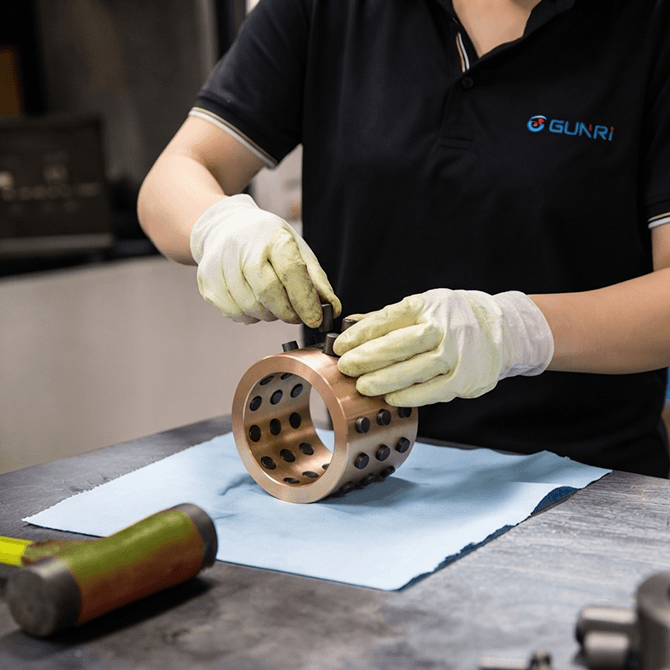
After enough years in this trade you learn that no one material works everywhere. Graphite copper bushings shine when impact resistance and long service life are what you need. But only if you match them to the right job. Don’t just stare at the unit price. Think about the actual working conditions. Get the fit right, get the clearance right. That makes more difference than any catalogue spec.
If you’re specifying bushings for a construction equipment project and want to work directly with the manufacturer, check out our dedicated product page for self-lubricating construction bearings to see our full product range, technical specifications, and request a quote.